What counts as erectile dysfunction — and what does not?
Erectile dysfunction means you keep having trouble getting or keeping an erection firm enough for sex; a one-off failure is not it. Healthy Male defines it as "a persistent difficulty getting or keeping an erection firm enough for satisfactory sexual activity" (Healthy Male), and healthdirect points out that many men have erection problems at some time in their lives — "It can come and go" (healthdirect). Impotence is the older name for the same condition. Problems with ejaculation, fertility or sex drive are not erectile dysfunction, even when they turn up alongside it (healthdirect).
Why it happens, the symptoms and the treatments are the subject of our guide to erectile dysfunction; this section's short version is causes, symptoms and treatment of erectile dysfunction in men. Single causes, medicine by medicine and condition by condition, are in can a medicine or a health problem cause ED?, and how age and surgery change the picture in erectile dysfunction by age and erectile dysfunction after surgery.
What are the types of erectile dysfunction?
Doctors have traditionally sorted it into three types by cause: organic (physical), psychogenic (psychological) and mixed. Australian Prescriber notes that the current view is broader — the causes are "biological, psychological, sociocultural, relational and sexual", and often more than one is at work (Australian Prescriber). Each type can respond to treatment: in sildenafil's clinical studies, 84% of men with psychogenic, 77% with mixed and 68% with organic erectile dysfunction reported improvement (EMA — Viagra product information). Doctors also describe the pattern — whether the problem is intermittent, global or situational, and whether it is recent or long term (Australian Prescriber). The classes in full: what are the 3 types of erectile dysfunction and impotence?
How do you know if you have erectile dysfunction?
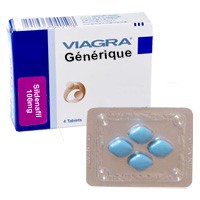
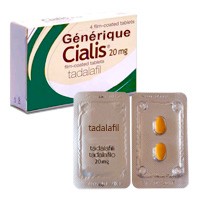
By the pattern over time: if getting or keeping an erection is difficult again and again, or your penis is not hard enough for sex, it is worth a check. Healthy Male lists the signs — difficulty getting or keeping an erection, problems with intercourse because the penis is not hard enough, and erections that are not as hard as they used to be — and says the diagnosis rests on "how satisfied you are with your ability to get and maintain an erection" (Healthy Male). Occasional problems may not need medical help; if they continue or worry you, see your GP (healthdirect). The single question on its own page: how do you know if you have erectile dysfunction? Whether you need Viagra or another ED tablet is not a self-diagnosis in Australia: the medicines need a prescription, and a doctor assesses you first (healthdirect).
Can you test for erectile dysfunction at home?
Not in a way that confirms it: a questionnaire or a look at your own erections can point to a problem, but the diagnosis is a doctor's. Short questionnaires such as the IIEF-5, a five-item version of the International Index of Erectile Function, are used alongside a history and an examination, but "should not be used alone for diagnosing erectile dysfunction" (Australian Prescriber). The same article calls the quality of morning erections, and of erections during other sexual activity such as masturbation, "critical" to understanding the cause — which is why a doctor asks about them. How can you test for erectile dysfunction at home? and what does morning wood say about erectile dysfunction?
What tests does a doctor use for erectile dysfunction?
Mostly questions and an examination, then blood tests — a scan or a specialist only when needed. Your GP asks about your sexual history, your general health, your relationships and how you feel about sex, may offer to talk with your partner, examines you, and may send you for blood tests or an imaging scan such as an ultrasound, or refer you to a urologist (healthdirect). Australian Prescriber sets the minimum examination as weight, waist, body mass index, blood pressure and the genitals, and the minimum blood tests as blood fats (lipids) and blood sugar — fasting glucose or, ideally, HbA1c — with testosterone measured on a sample taken before 11 am if a hormone problem is suspected. Healthy Male suggests asking your doctor which tests you need, what other health conditions could be contributing, and whether you should see a psychologist. Each test in turn: tests for erectile dysfunction and impotence in males.
How can a partner help, and how do you stimulate a man with erectile dysfunction?
By keeping sex about more than penetration, and by knowing that ED tablets still need arousal. "It is possible to have a satisfying sex relationship without penetrative sex", and a man can have an orgasm and ejaculate without an erection (Healthy Male). The medicines work only with sexual stimulation: Viagra "will work only if you are sexually excited" (Viagra CMI), and the Cialis leaflet tells couples they "will need to engage in foreplay, just as you would if you were not taking a medicine for erectile dysfunction" (Cialis CMI). A partner can be part of the treatment too: sex therapy or cognitive behavioural therapy may include them, and Relationships Australia has resources for couples (healthdirect). How to stimulate a man with erectile dysfunction; the treatments beyond tablets are in how erectile dysfunction is treated.
Sources
- healthdirect — Erectile dysfunction (last reviewed February 2025); Erectile dysfunction medicines (February 2025)
- Healthy Male — Erectile dysfunction
- Australian Prescriber — Erectile dysfunction: causes, assessment and management options (2022)
- EMA — Viagra (sildenafil), product information
- Viagra consumer medicine information (Australia, October 2024); Cialis consumer medicine information (Australia, October 2024)