Understanding Sildenafil (Viagra) and Its Uses
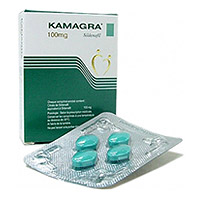
Sildenafil, popularly known by its brand name Viagra, is a medication primarily used to treat erectile dysfunction and, in some cases, pulmonary arterial hypertension. The drug works by inhibiting the enzyme phosphodiesterase-5 (PDE5), which subsequently leads to an increase in the concentration of cGMP, a chemical that relaxes smooth muscle and increases blood flow.
Recommendations for Taking Sildenafil During Pregnancy
The decision to use sildenafil during pregnancy should be made in consultation with a healthcare provider. Generally, it's recommended to avoid non-essential medications, including Viagra, during the early stages of pregnancy, particularly the first 12 weeks when most major organs and systems are developing in the fetus. This precaution helps minimize potential risks to fetal health and development.
Early Pregnancy and the Risk of Birth Defects
The first 12 weeks of pregnancy, referred to as early pregnancy, is a critical period when most of the fetus's vital organs form. Exposure to certain substances or medications, including some that can interfere with hormonal balances, could increase the risk of birth defects. As such, Viagra, similar to other medications, carries a risk when used during early pregnancy.
Potential Benefits of Sildenafil for Selected Maternal and Fetal Disorders
Research is ongoing about the potential benefits of sildenafil for specific maternal and fetal disorders. For example, some studies have investigated the drug's potential to improve conditions associated with suboptimal intrauterine growth conditions. Randomized clinical trials have also looked into sildenafil's effects on improving blood flow to the placenta in cases of placental insufficiency, a condition that can result in reduced nutrient and oxygen supply to the fetus.
Current Guidelines from Healthcare Providers on Using Sildenafil During Pregnancy
Most healthcare providers recommend against the routine use of sildenafil during pregnancy due to the lack of conclusive evidence about its safety and effectiveness. However, it may be prescribed under very specific circumstances and under the close supervision of a healthcare provider.
Limitations and Gaps in Research on Sildenafil and Pregnancy
Despite some promising findings, there are significant limitations and gaps in the research on sildenafil and pregnancy. Much of the research conducted thus far has been on animals, and the results may not necessarily apply to humans. More human studies, particularly large-scale randomized clinical trials, are needed to conclusively determine the safety and effectiveness of sildenafil in pregnancy.
Systematic Review and Meta-analysis on Sildenafil's Effects on Fetal Growth
A systematic review and meta-analysis of studies on sildenafil's effects on fetal growth suggest that the drug could potentially benefit fetuses with growth restrictions. However, the authors of these reviews caution that more research is needed to verify these results and understand the long-term impacts on children exposed to sildenafil in utero.
The Safety of Sildenafil During Pregnancy and Potential Birth Defects
Given the current state of research, it's uncertain whether sildenafil causes birth defects. Some animal studies suggest a risk, but human studies are lacking. The potential risks must be weighed against the possible benefits in certain cases.
Alternatives to Viagra for Pregnant Women
There are currently no direct alternatives to Viagra for pregnant women as the drug's primary uses do not typically apply to this population.
The Risks of Taking Viagra During Pregnancy
Potential risks of taking Viagra during pregnancy include an increased chance of birth defects due to exposure during critical periods of organ formation, as well as potential adverse effects on fetal development due to changes in blood flow.
Sildenafil and Fetal Development: Current Research
Research into the effects of sildenafil on fetal development is ongoing, and findings to date are inconclusive. Some studies suggest potential benefits for fetuses with certain growth conditions, while others indicate possible risks. The consensus is that more research is needed.
Medications That Can Cause Birth Defects in Pregnancy
Many medications, not just sildenafil, can potentially cause birth defects if taken during pregnancy.
Some known offenders include certain antibiotics, antidepressants, and anticonvulsants.