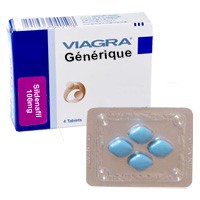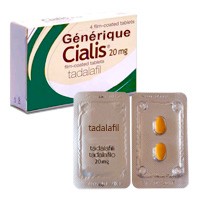

Which erectile dysfunction drug is best? None is best for everyone — they work the same way and differ in timing. Sildenafil (Viagra) is taken about an hour before sex, tadalafil (Cialis) can work for up to 36 hours or be taken at a low dose once a day, and vardenafil is the alternative when sildenafil does not suit. All are prescription-only in Australia, none can be taken with nitrates, and your GP chooses the medicine and the dose (healthdirect). The four medicines, Kamagra included, are compared side by side on our home page.
How do sildenafil, tadalafil and vardenafil compare?
Erectile dysfunction (ED), commonly referred to as impotence, is a prevalent condition affecting millions of men worldwide. Over the years, various drugs have been developed to treat ED effectively. Among the most popular ones are Sildenafil (Viagra), Tadalafil (Cialis), and Vardenafil (Levitra). These drugs belong to a class of medications called phosphodiesterase type 5 (PDE 5) inhibitors. But which of these ED treatments is the best option for you? In this article, we will compare the three drugs to help you make an informed decision.
Sildenafil (Viagra)
Sildenafil, popularly known as Viagra, was the first PDE 5 inhibitor introduced in the market. It works by increasing blood flow to the penis, thus aiding in achieving and maintaining an erection. Sildenafil is effective in treating ED caused by various factors, including psychological issues, diabetes, and cardiovascular diseases.
Pros:
Fast-acting: sildenafil usually starts working in 30 to 60 minutes (healthdirect); take it about an hour before sex.
Proven track record: As the first ED drug, it has been extensively studied and has a well-established safety and efficacy profile.
Cons:
Short duration: its effects can last for up to 4 hours (healthdirect), which might not suit those seeking a longer window.
Food: taken with food, it may take longer to start working (EMA).
Tadalafil (Cialis)
Tadalafil, or Cialis, is another PDE 5 inhibitor that has gained popularity for its long-lasting effects. Like Sildenafil, Tadalafil works by enhancing blood flow to the penis, facilitating an erection upon sexual stimulation.
Pros:
Long-lasting effects: Cialis is known for its extended duration of action, lasting up to 36 hours, allowing for more spontaneous sexual activity.
Flexible dosing: It can be taken either as-needed or as a daily low-dose regimen for continuous effectiveness.
Cons:
Planning: tadalafil 10 or 20 mg should be taken at least 30 to 60 minutes before sex (Cialis CMI), and no more than once a day.
Potential side effects: Some users may experience side effects such as back pain, muscle aches, or facial flushing.
Vardenafil (Levitra)
Levitra, with its active ingredient vardenafil, is another PDE 5 inhibitor used for ED treatment; in Australia the Levitra brand is not on the ARTG, while generic vardenafil is. It also works by increasing blood flow to the penis, helping men achieve an erection upon sexual stimulation.
Pros:
Fast-acting: the recommended dose is taken about 25 to 60 minutes before sex (EMA).
Window: with sexual stimulation, an erection may be possible from about 25 minutes up to four to five hours after a dose (Levitra package leaflet).
Cons:
Not as long-lasting as Cialis: Levitra's duration is shorter compared to Tadalafil, which might not suit those looking for extended effects.
Food: a high-fat meal may delay the onset (EMA).
The choice between Sildenafil (Viagra), Tadalafil (Cialis), and Vardenafil (Levitra) depends on individual preferences, medical history, and lifestyle. Your GP decides whether one suits you and at what dose — especially if you have a heart condition or take other medicines. By carefully considering the pros and cons of each drug, you can find the most effective solution for your erectile dysfunction needs.
What are the most common side effects?
For all of them: headache, facial flushing, a blocked nose and indigestion or reflux. Rarer but serious: changes in vision, an erection that will not go down, sudden hearing loss, dizziness or fainting, and allergic reactions (healthdirect).