
Consult a Licensed Healthcare Provider or a Specialist like a Urologist
The first step to obtaining a prescription for Viagra is to consult a licensed healthcare provider or a urologist. Viagra, known generically as sildenafil, is a medication typically prescribed for erectile dysfunction (ED). While a general practitioner can prescribe this medication, a urologist specializes in conditions related to the urinary tract and male reproductive organs, and therefore can provide a more in-depth understanding of your situation.
Requirements for a Prescription for Viagra
Before a healthcare provider prescribes you Viagra, there are a few requirements you must meet. First, you must have a medical condition that Viagra is known to treat, such as erectile dysfunction. Furthermore, you must be healthy enough for sexual activity. Patients with severe heart or liver problems, recently suffered from a stroke or heart attack, or have certain eye conditions may not be eligible. Your healthcare provider will guide you through these requirements and assess whether Viagra is right for you.
Understanding Viagra Dosage: 25 mg, 50 mg, and 100 mg Strength Tablets
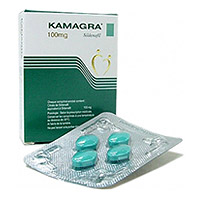
Viagra is available in three different dosage strengths: 25 mg, 50 mg, and 100 mg. Typically, healthcare providers start patients on a 50 mg dose, and then adjust the dosage up or down based on the patient's reaction to the medication, their overall health, and the severity of their ED. Always take Viagra according to your healthcare provider’s instructions to ensure optimal effectiveness and minimize side effects.
How to Get a Prescription for Viagra from a Doctor?
To get a prescription for Viagra from a doctor, schedule an appointment and openly discuss your symptoms and concerns. The doctor will likely ask about your sexual health, medical history, and any medications you're currently taking. This information will help them determine if Viagra is suitable for you. If the doctor decides that Viagra is a good fit, they will write you a prescription.
Using Telehealth Platforms
In the digital age, healthcare is more accessible than ever. An online consultation with a doctor who can prescribe Viagra can be a good option for those who prefer its convenience and privacy. However, it's crucial to ensure the telehealth platform you use is legitimate and employs licensed healthcare providers.
Buying Viagra from Accredited Pharmacies and Websites
Once you've received a prescription, it's time to fill it. Only purchase Viagra from accredited pharmacies and websites to ensure you're receiving a safe and legitimate product. Counterfeit medications are a widespread issue, and buying from unaccredited sources can put your health at risk.
Prescription for Viagra or its Generic Form, Sildenafil
When you receive your prescription, it might be for Viagra or its generic form, sildenafil. Both contain the same active ingredient and work in the same way to treat ED. However, the generic version is usually less expensive.
Side Effects of Viagra
Like all medications, Viagra can have side effects.
Common side effects include headaches, flushing, upset stomach, abnormal vision, stuffy or runny nose, muscle pain, and nausea.
More severe side effects, although rare, can include sudden vision loss or hearing loss.If you experience any severe or concerning side effects, contact your healthcare provider immediately.
Is There a Way to Get Viagra Over the Counter?
Viagra is not available over the counter in most countries. In Australia you need a prescription for ED medicines, and a doctor assesses you first (healthdirect). However, some countries do offer over-the-counter options. Always consult a healthcare provider before starting any new medication.
Can You Get a Prescription for Viagra Online?
Yes, you can get a prescription for Viagra through an online consultation with a doctor. Just ensure that you are using a legitimate service with licensed healthcare providers.
Taking the Medication According to the Prescribed Dose and Timing
Viagra is typically taken as needed, usually one hour before sexual activity. However, it can be taken anywhere from 30 minutes to four hours before sexual activity. It’s important to follow your healthcare provider’s instructions regarding dosage and timing to ensure the medication is effective and to avoid potential side effects. Do not take more than one dose in 24 hours.
In all these processes, remember that open and honest communication with your healthcare provider is crucial. Your safety and wellbeing are paramount, so always make sure you're informed and comfortable with your treatment plan.